
Minneapolis Truck Accident Lawyers Who Know How Carriers Fight — and How to Win
When a semi truck or commercial vehicle hits you, you are not dealing with a routine accident claim. You are dealing with a federally regulated industry, a carrier with its own legal team, and evidence that can disappear within days. Pattee, Tewksbury & Kerfeld has spent 32 years handling these cases on both sides of the table — and that experience changes how we build yours.
Truck Accident Cases Are Fundamentally Different from Car Accident Claims
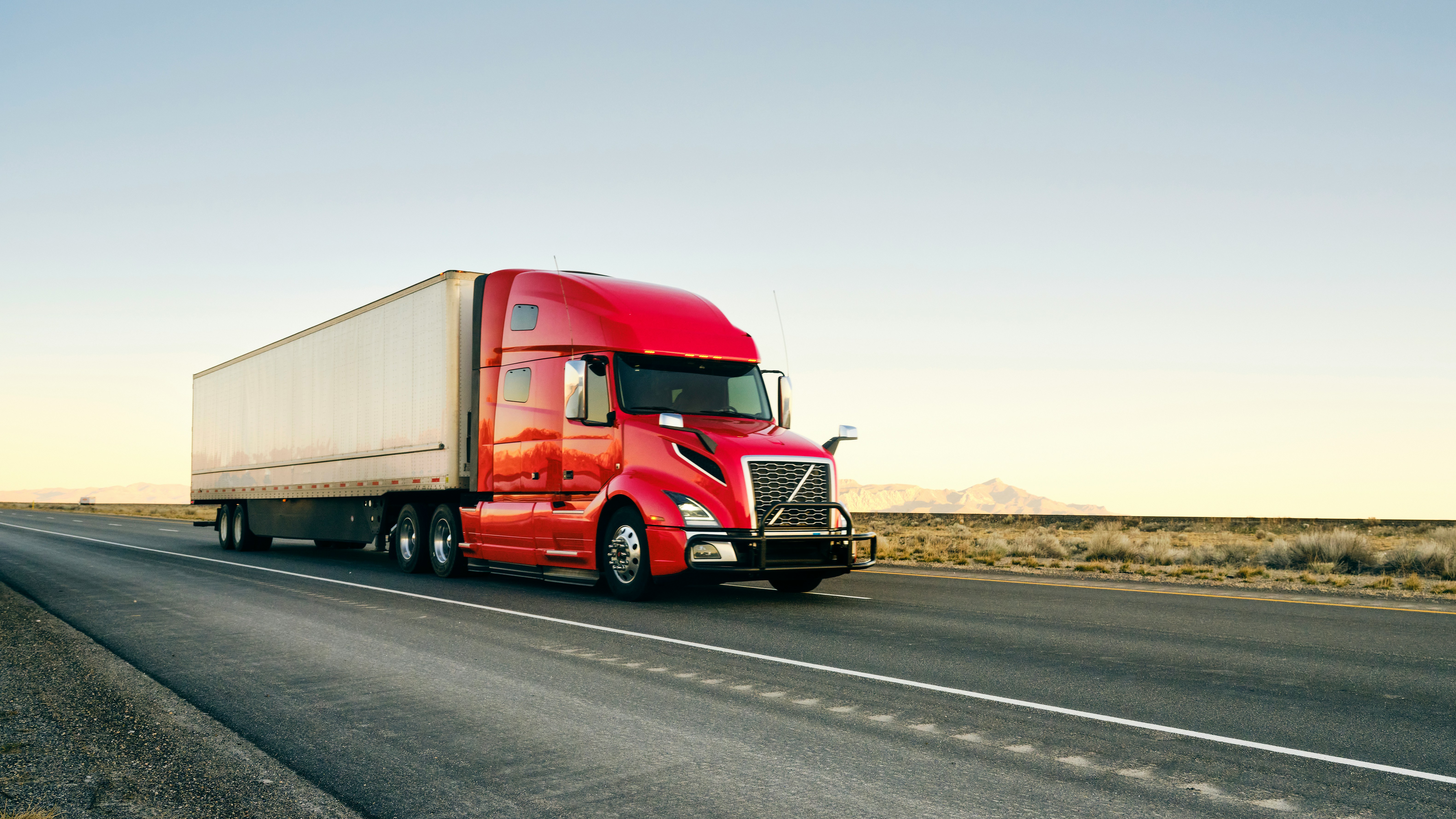
Commercial truck accidents involve layers of liability that a standard auto claim never touches. The driver may bear personal fault. The carrier may have violated federal hours-of-service rules. The shipper may have overloaded the trailer. A maintenance contractor may have left a brake defect unaddressed. In some cases, a manufacturer is responsible for a defective component that failed at highway speed.
As your truck accident lawyer in Minneapolis, we identify every potentially liable party from the start — not after discovery has closed. That means examining:
- The driver's employment status and hours-of-service records under FMCSA regulations
- The carrier's safety rating, inspection history, and internal compliance records
- Shipping manifests and load documentation for overweight or improperly secured cargo
- Maintenance logs and repair records for the tractor and trailer
- Electronic logging device (ELD) data and engine control module (ECM) black box data
- Any third-party contractors involved in loading, dispatch, or vehicle maintenance
Minnesota's major commercial trucking corridors — I-35, I-94, and I-494 — see heavy freight traffic year-round. When accidents happen on these routes, the responsible parties often span multiple states and corporate entities. We are licensed across Minnesota, Wisconsin, Iowa, and North Dakota, and we pursue every defendant regardless of where they are based.
Minnesota's No-Fault Insurance System
Minnesota operates under a no-fault auto insurance system. After a car accident, your own Personal Injury Protection (PIP) coverage pays for initial medical expenses and a portion of lost wages — regardless of who caused the crash. PIP benefits are capped, and they don't compensate you for pain, suffering, or the full scope of your economic losses.
Evidence in Truck Accident Cases Disappears Quickly — and Carriers Know It
Federal regulations do not require carriers to retain all accident-related data indefinitely. ECM black box data, driver logbooks, dispatch communications, and maintenance records can be overwritten, discarded, or lost — sometimes within days of a crash. Trucking companies and their insurers know this. Their legal teams move fast.
We move faster. One of the first actions we take in any commercial truck accident case is issuing a formal evidence preservation letter to the carrier, demanding that all relevant records be retained immediately. This step alone can be the difference between a provable case and one built on missing data.
If you were injured by a semi truck in Minnesota, the time to call is now — not after you have finished recovering, and not after you have spoken to the carrier's adjuster.
Personal injury representation for individuals injured in auto and truck accidents, construction accidents, premises liability incidents, dog bites, and product liability matters — plaintiff-side, across all licensed states
What FMCSA Violations Mean for Your Case
The Federal Motor Carrier Safety Administration sets the rules that govern commercial trucking in the United States — hours of service, weight limits, inspection requirements, drug and alcohol testing, and more. When a carrier or driver violates those rules, that violation can establish negligence directly.
Common FMCSA violations we investigate in truck accident cases include:
- Hours-of-service violations, including falsified or incomplete logbooks
- ELD tampering or non-compliance
- Failure to conduct required pre-trip and post-trip vehicle inspections
- Overweight loads exceeding federal or state limits
- Inadequate driver qualification or training records
- Failure to maintain required insurance coverage
A trucking accident lawyer who understands FMCSA compliance — not just state tort law — approaches these cases differently. We know what the regulations require, where carriers cut corners, and how to use violations to build a stronger liability argument.
You Pay Nothing Unless We Recover Compensation
Why Our Defense-Side Experience Is Your Advantage
We have represented major commercial carriers and corporate clients in civil litigation for more than three decades — including Waste Management, one of the largest commercial fleet operators in the country. That work taught us exactly how carrier legal teams build their defense: what evidence they prioritize, what arguments they rely on, and where their cases are weakest.
When we represent an injured client against a national trucking company, we are not guessing at the other side's strategy. We have been on that side. We know which records they will try to minimize, which experts they will retain, and how they approach settlement negotiations versus trial preparation.
Large carriers have large legal teams and large insurance policies. Our clients have 32 years of civil litigation experience, eight attorneys, and a firm that takes cases to trial when that is what the facts demand.
Many California families begin planning because they own a home, have children, want to simplify future administration, or want to avoid unnecessary probate proceedings. In communities like Westlake Village, Thousand Oaks, Agoura Hills, and Calabasas, real estate often represents a significant portion of family wealth, making proper planning especially important.
Frequently Asked Questions About Truck Accident Claims in Minnesota
How is a truck accident case different from a regular car accident case?
Commercial truck accidents involve federal regulations, multiple potentially liable parties, and significantly larger insurance policies than standard auto claims. The driver, the carrier, the shipper, and third-party contractors can all bear responsibility. Investigating and preserving evidence across those parties requires immediate action and experience with FMCSA compliance — a standard car accident claim involves none of that complexity.What should I do immediately after a semi truck accident in Minnesota?
Seek medical attention first. If you are able, document the scene, get the driver's information and the carrier's DOT number from the truck, and do not give a recorded statement to the carrier's insurance adjuster before speaking with an attorney. Contact a truck accident lawyer as soon as possible — evidence preservation is time-sensitive, and the carrier's legal team may already be involved.Who can be held responsible for a truck accident?
Liability in commercial truck accidents frequently extends beyond the driver. The trucking company may be liable for negligent hiring, inadequate training, or hours-of-service violations. A shipper may be responsible for an overloaded or improperly secured load. A maintenance contractor may have left a known mechanical defect unrepaired. In some cases, a component manufacturer bears liability for a defective part. We identify every responsible party before filing.What FMCSA violations are most common in truck accident cases?
Hours-of-service violations are among the most frequent — drivers exceeding federally mandated driving limits, sometimes with falsified or incomplete logbooks. We also commonly see inspection failures, overweight load violations, ELD non-compliance, and inadequate driver qualification records. When a FMCSA violation contributed to an accident, it can serve as direct evidence of negligence.How long do I have to file a truck accident lawsuit in Minnesota?
Minnesota's statute of limitations for personal injury claims is generally six years from the date of the accident. However, waiting significantly reduces your ability to preserve critical evidence — ECM data, driver logs, and carrier records are not kept indefinitely. The practical deadline is far shorter than the legal one. Contact our office as soon as possible after your accident.
32 Years of Civil Litigation. The Knowledge of Both Sides. Your Case, Built to Win.
Truck accident cases against major commercial carriers are not won by firms that treat them like oversized fender-benders. They are won by attorneys who understand the regulatory framework, know how to identify every liable party, and are prepared to take the case to trial if that is what it takes. That is what we do. If you or someone you love was injured by a semi truck or commercial vehicle in Minnesota, Wisconsin, Iowa, or North Dakota, we are ready to help.